
I explored themes of nature, memory, and material transformation. I used organic elements like soil, cloves, coffee, cinnamon, and turmeric to connect to sensory experiences, culture, and time. These materials carry histories, evoking ideas of land, trade, and ritual.
On conceptual approach it reflects on nature’s textures, colors, and scents. The materials changed over time. The use of spices and soil suggests connections to earth, nourishment, and cultural traditions.
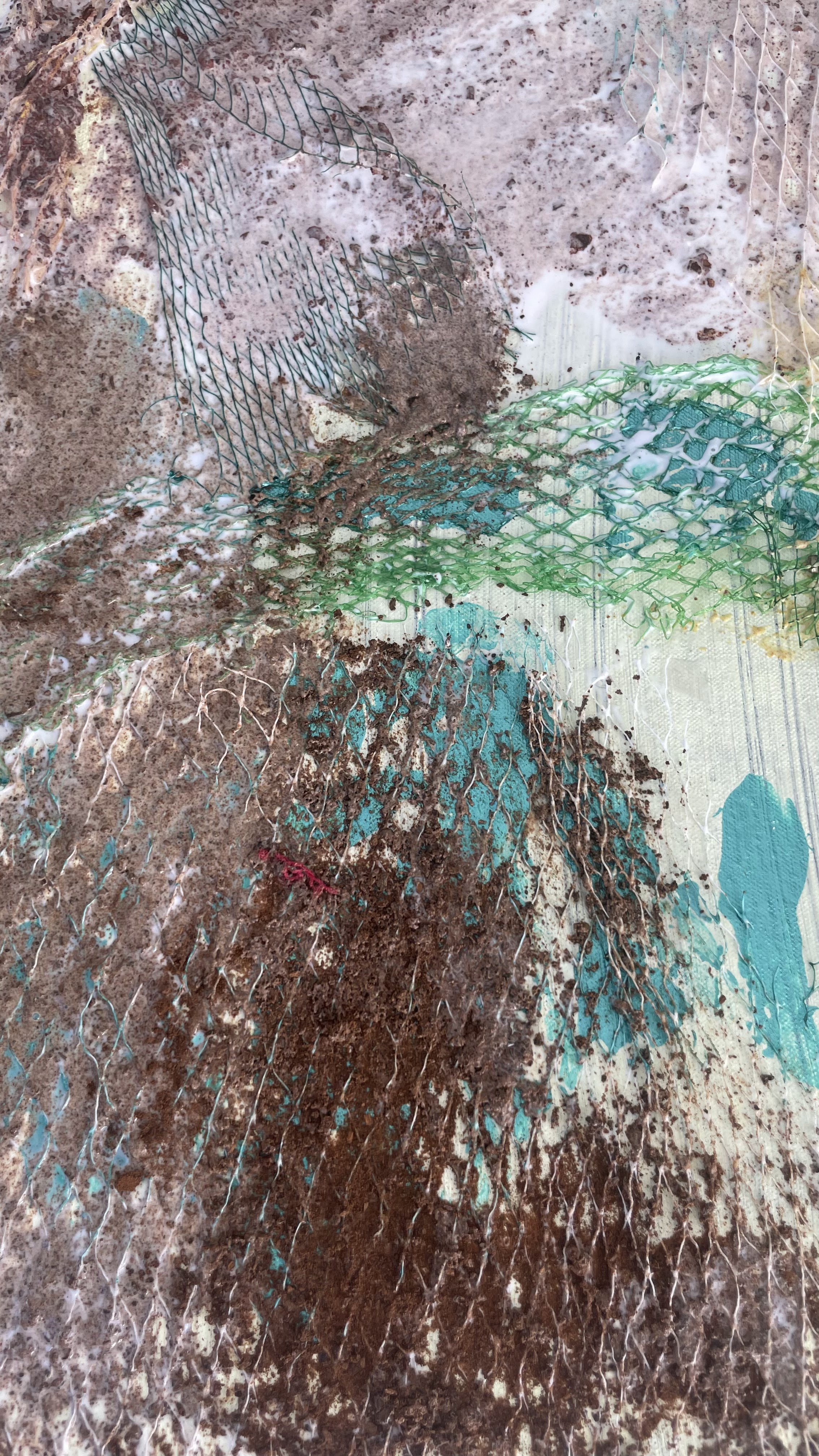
The layer natural materials onto canvas, letting them interact and create unpredictable patterns. The rough textures, earthy tones, and organic forms natural processes like erosion and decay. I really like it because it was so natural but might have experimented with wet and dry applications, mixing materials to see how they blend or resist each other.
My work invites on my crit to engage through multiple senses—sight, smell, and touch. It challenges traditional painting by rejecting artificial pigments in favor of raw, unprocessed elements. The unpredictable nature of organic materials makes each piece unique especially smell clove was very impressive.
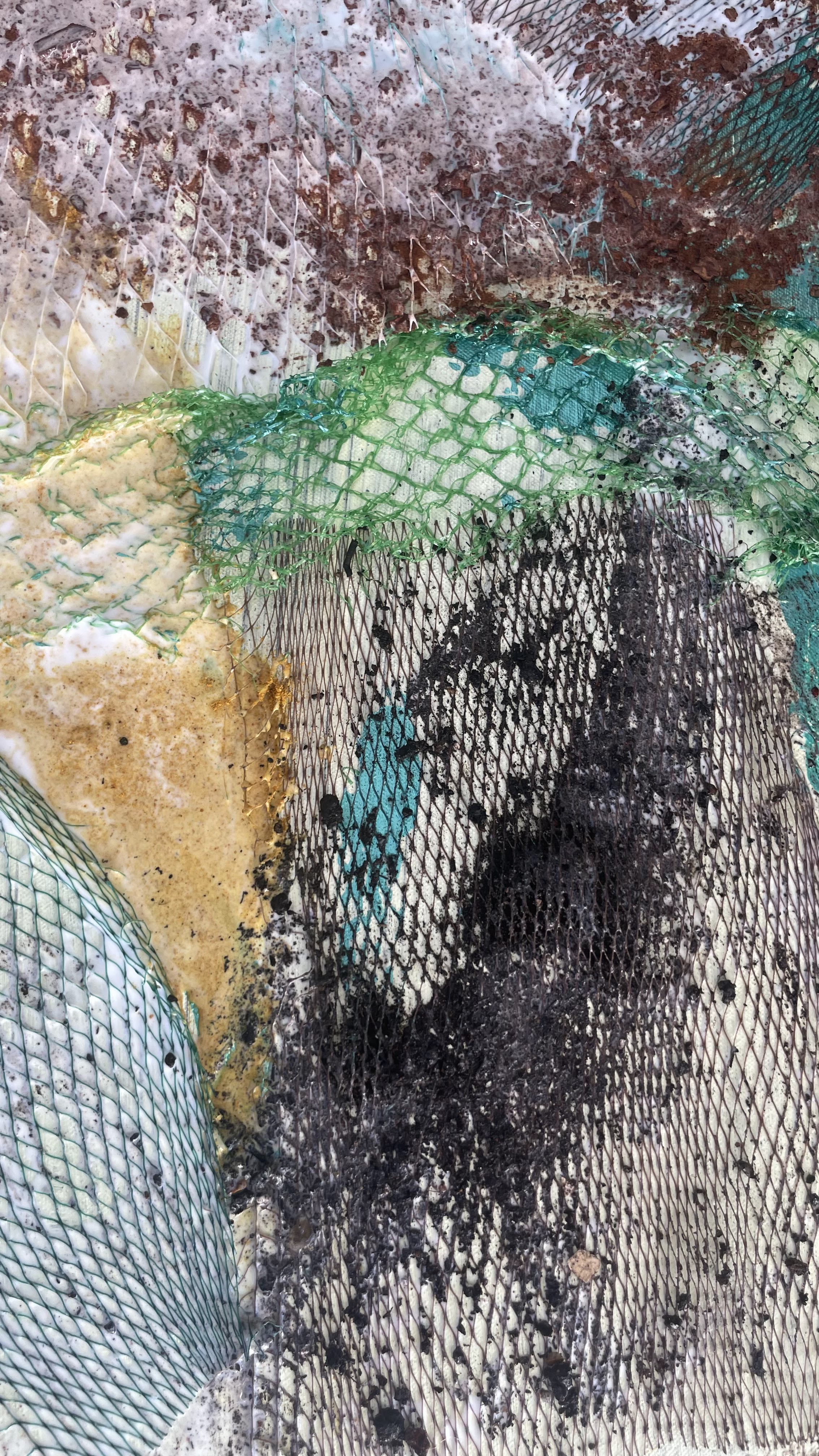
My artwork relates to artists like Anselm Kiefer, who uses natural materials to evoke history and memory. My research connected to Arte Povera, everyday materials to challenge conventional art forms. As contemporary eco-artists also explore sustainability by integrating organic elements of culture into the practice.I explored sustainability too.On my critic my friends mentioned that i am quite interested in natural element art and i am a marking person as i left traces or imprints as i use tools to make direct marks on this art. I used also handprints related to transformation because shaping how i see, feel, and understand the world, the life, the natural life.
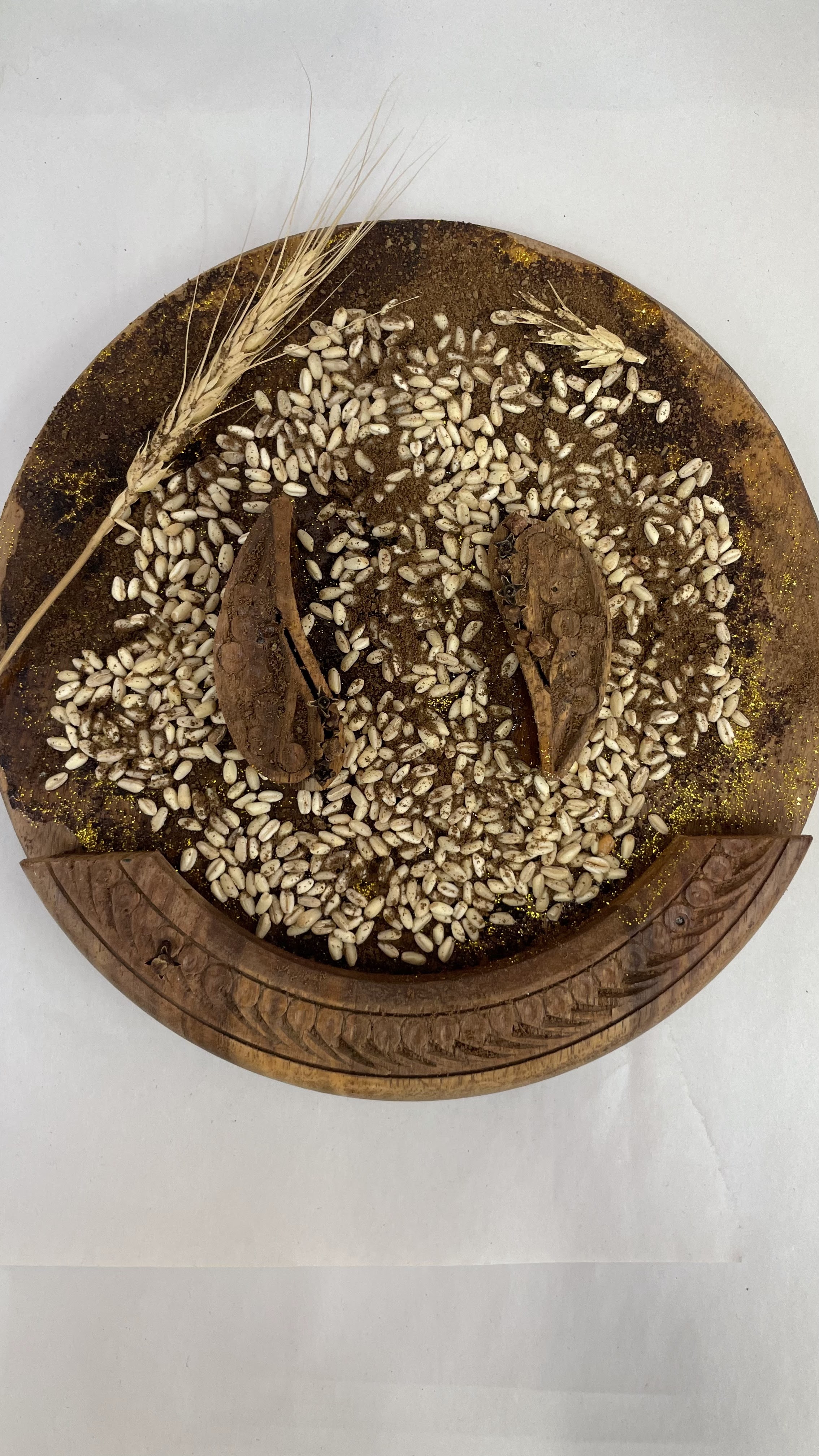
On my second critic of my project about my name Basak; as nature, wheat, especially my friends and tutors interested in smelling cloves. My work explores the themes of culture, and transformation through the fundamental elements of wheat, clove, and bread. These materials symbolize cycles of life. Wheat represents raw potential, clove evokes history and trade, and bread embodies human connection. By bringing these elements together, I examine the relationship between nature, industry, and tradition. The work reflects on how everyday materials hold deep cultural and historical significance.I experimented with arranging, layering, and embedding wheat, clove, and bread to create textural and sculptural compositions. The transformation of these organic materials raw wheat into processed bread all cloves into fragrant elements. I allowed natural decay reinforcing ideas of consumption also i shared the bread with my tutors and friends. on my critic day.My tutors suggested me to research Carl Rowe who is a contemporary landscape painter. so the work successfully engages with themes of transformation and sustenance. The physical presence of natural materials makes it immersive, encouraging sensory interaction. However, the challenge lies in making the concept clear without explicit explanation. I could refine the arrangement to further emphasize contrast processed, whole to strengthen the visual impact.Compared to others’ pieces in the critique, my work emphasizes materiality and sensory experience. Some works may focus more on visual aesthetics, while mine relies on organic transformation. Observing others’ conceptual approaches helps me consider how to frame my work for different audiences and whether additional elements, such as sound or written text, could enhance interpretation.I believe my friends and tutors liked my idea can be conceptual art practice,and some of my friends thought i am a very nature person as i engaged ecological art in sustainable development.
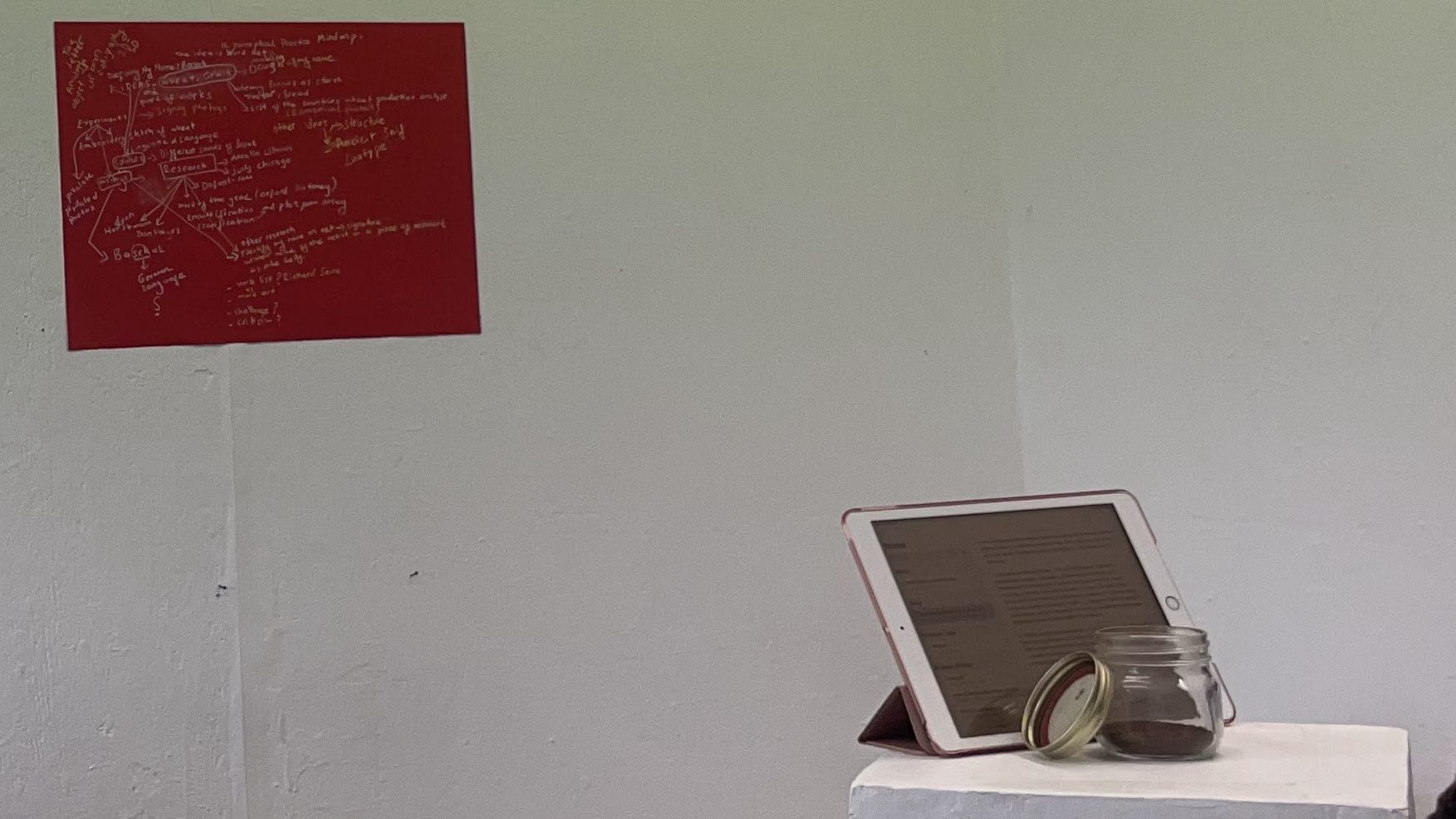

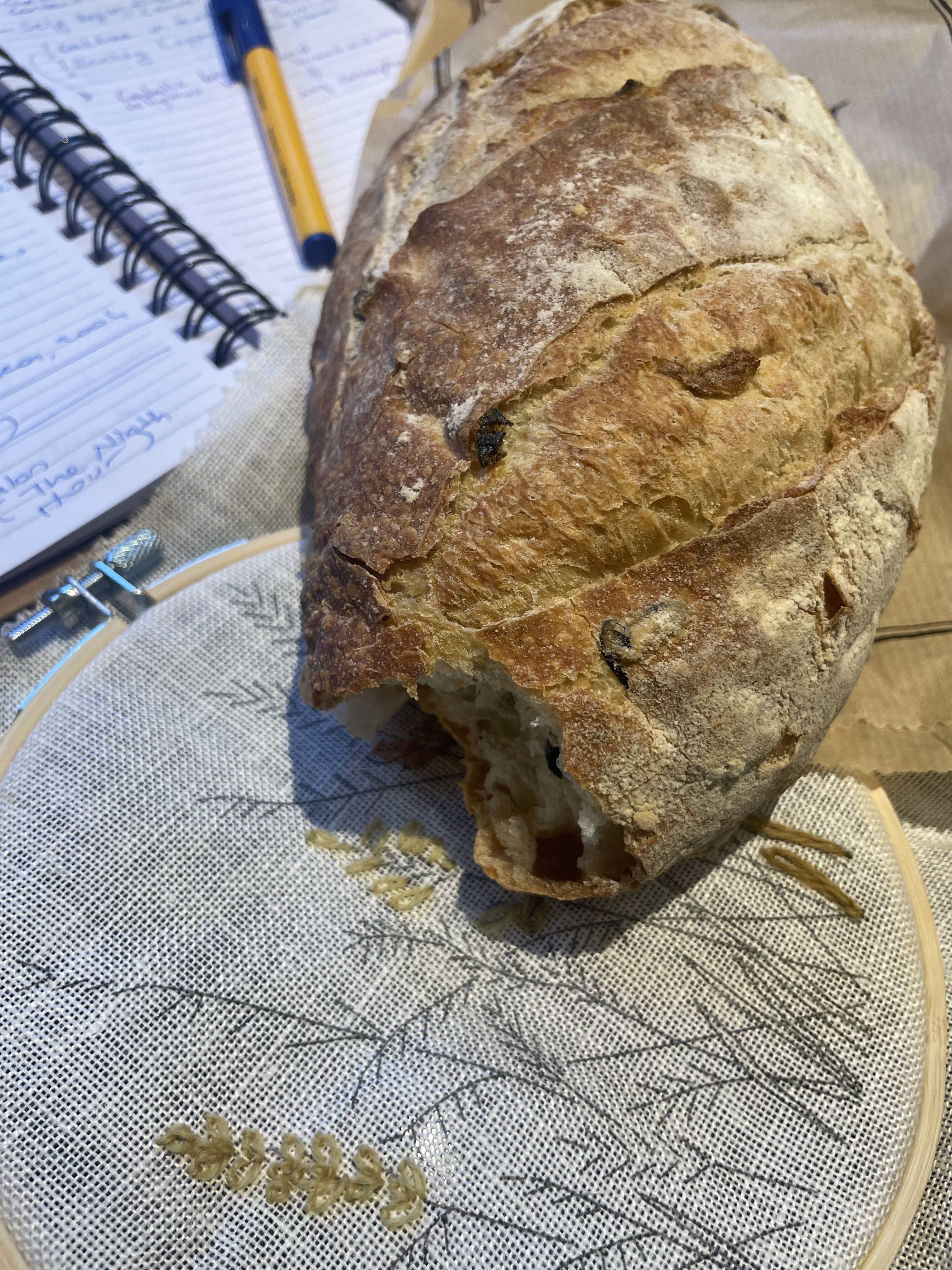
My idea was I could break the bread and then make artworks or invite people to make artworks with my friends and then the bread is sort of the thing that unites people though that welcomes there.In relation to my critic we talked about The British Artist Carl Rowe’s three-hour performance name “A Banquet for Ultra Bankruptcy” was presented at the Outpost Gallery as part of Contemporary Art Norwich (CAN).
There is also the idea that a framework of self sufficiency rather than sustainability, it is really important because it is the self, and it’s the sustaining way of sort of generating practice through a framework.
 Art Republic